Service Desk Articles

Because AI is rapidly changing many of the ITSM operations and tasks we deal with regularly, the time is ripe for disruption of the IT service desk industry. To help explain “the art of the AI possible,” this article looks at the key areas that service desk managers need to understand about AI.
This article looks at 10 common challenges faced by IT service desks (equally applicable in enterprise service management scenarios) and how you can use them to identify and progress a number of opportunities to improve.
With ITAM now considered part of ITIL 4 best practice, this article helps with a process that might not be considered as a core SAM capability, but should be in place if your organization wants to make best use of the valuable asset data at its disposal – the Software Support and Maintenance Review process.
While many will notice the 34 ITIL 4 practices vs ITIL v3’s 26 processes, there are other potentially more important points to note with the updated ITIL best practice. For instance, the greater focus on people, and the inclusion of governance in the new ITIL 4 Service Value System (SVS). Here, Paul Wilkinson takes a look.

In this article, we consider whether your average ITSM team is able to really take advantage of the opportunities that digital transformation, customer experience, and AI technologies offer. Specifically, to help you to better understand if your ITSM team is suitably positioned to deliver against the business requirements that are necessitating this increased exploitation of technology and data.
Maximizing the First Call Resolution (FCR) KPI (if used correctly) can deliver significant benefits to an organization, especially in optimizing the cost per contact, minimizing time to resolve, and improving customer satisfaction. Here we explain how.
This article shares a number of proven tips that can dramatically improve your customer satisfaction survey scores. They’re all relatively simple and can be easily adopted by your IT service desk to achieve the results you want with your customers. Take a look here.
Find out what ITSM professionals would like information on, and help with, in 2019 based on our recent reader poll; and get an idea of where the ITSM industry is looking, and potentially heading, in the year ahead. The results are relatively different to those of 2018!
DevOps is not a replacement for ITIL, in fact DevOps can complement and enhance the ITIL framework by making the processes simpler and more automated. This article looks at why DevOps won’t replace ITIL, and how it could, and should, improve – and add more agility to – some ITIL processes.
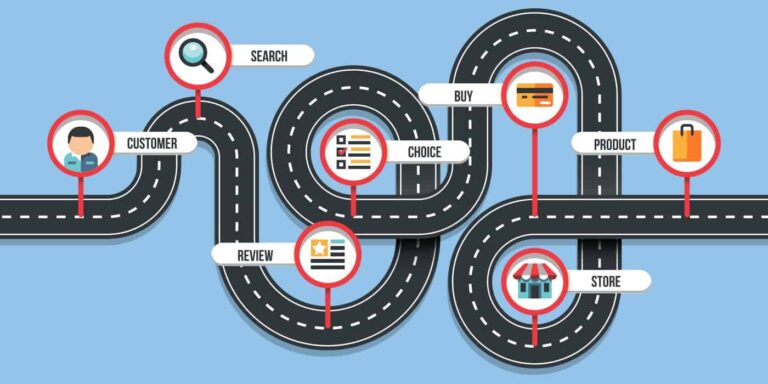
Want to deliver excellent services? Want to start improving customer experience, but have no clue where to start? As with anything related to your customers, it’s often best to start with the customers and their journey(s) – so take a look at these five actions to help you on the road to success.
Service desks have already been struggling with the likes of chat and self-service, and now in the midst of all the hype surrounding the opportunities of artificial intelligence (AI), machine learning, and chatbots in particular – we have to ask: is the average service desk going to be successful with this new technology?
Third-party IT service providers are plentiful – the obstacle is in choosing the right one and the right kind of services. To help, this article shares nine important criteria to consider to help steer your organization in the right direction.
Which IT service management (ITSM) topics would you like to see our content focus on in 2019? Please take our quick poll and then read on to find out more about a year in the life of ITSM.tools’ content and readership, and to see how we shaped our content plan around last year’s votes.
Here Aale Roos questions whether the combination of incident and problem management is an obsolete model, how risk management can help, and where Cynefin fits into the equation.
This article looks at what happens when a major incident occurs and how the involved service engineer’s work is regarded. Are you giving them the incentives and credit that they deserve?