ITSM Articles

Building off of our 2017 analysis, this article introduces a new ITSM.tools survey that we hope will help IT service management pros to better understand where the future of ITSM is heading and what they should be thinking about (and then doing).
This article by Matthew Burrows focuses on the state of skills, using the Digital Skills Landscape 2018 report, from SkillsTx and BSMimpact, to highlight the current state of skills availability in IT. Are we overly humble in our opinion of our skills or is it the reverse?
Here Ian Aitchison introduces his concept of “Artificially Intelligent Service Management,” described as ITSM, but with a rich and creamy layer of artificial intelligence on top – like icing on a cake. Sound hungry? We mean interested… click-through to read more.
ITSM pros have spent a long, long time working with a remit to “do more with less.” Then, more recently, the much-more-suitable mantra of “better, faster, cheaper” has come into vogue; but this still overlooks the separation of IT activities, and costs, related to two distinct business needs. Read why here.
If you’re looking to improve your problem management process, while juggling it with incident management, then striking a balance between them is key. And luckily, it’s not too difficult to achieve! Here Hannah Price shares her top 5 tips for both reactive and proactive problem management success.
We need to rethink the service delivery process and shift our mindsets as service providers away from that of closing tickets (submitted by end users) to instead prioritizing the needs of employees first! But how do you successfully do this? Here you’ll find five tips to get you started.
In this article, Sophie Danby looks back at a recent industry conference and uses it as a platform to discuss the changing face of ITSM, the ever-growing importance of customer service, the industry focus on Artificial Intelligence, and why we – in ITSM – need to focus more on the darker side of mental health.
Best practice adoption failure is often blamed on tools and processes, but in reality these failures are actually caused by people issues. It’s not just limited to best practice though, here Paul Wilkinson looks at the top ten people-related barriers to ITSM success.
A successful Change Advisory Board (CAB) is a disciplined one! Looking at attendance, process, and other governance aspects, Jan Vromant suggests a set of rules to follow for success that will enable you to transform your CAB into a BECAB – or “brutally efficient” CAB.
This article offers up a quick guide to service catalog success – from getting started, to measuring quality, from checking whether you’re providing services that meet your customers’ needs, to improving your service catalog by matching it to your customer journeys. Get the lowdown here.
In this article Sarah Lahav discusses the important role that service management has to play in enabling businesses to be more progressive, and shares her thoughts on what IT organizations need to do to be successful in delivering enterprise service management and, thus, increased business value.
Bad consultants, new fads, poor “best practice”, incompetent research, bad managers, and toxic consulting… Here Aales Roos looks at whether your attempts to improve your organization’s IT service delivery and support capabilities are failing because of all of the above.
How relevant is ITIL right now, especially for IT service desks and service desk agents? If you want some hot-off-the-press insight, new research data from HDI – in its 2018 Technical Support Practices & Salary Report – offers two perspectives on the value of ITIL certification to North American service desk agents.
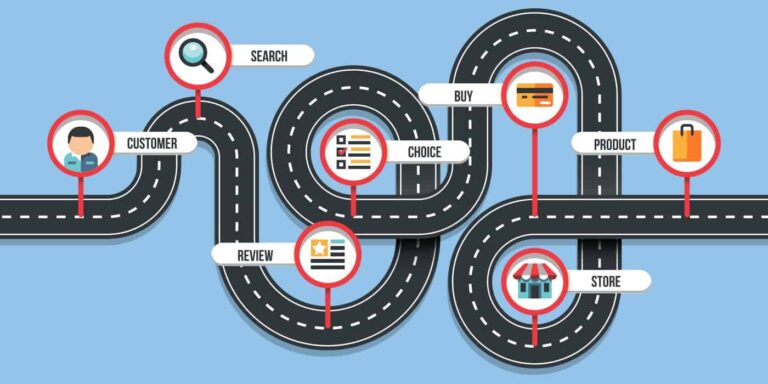
This article summarizes the 12-step journey to Modern Service Management. It provides useful nuggets of information and takeaways you can apply immediately; with the journey map used to help to prevent and/or mitigate failures and to optimize successes.
In order to understand IT services better, and make the translation into business value, they can be broken down into three groups of properties: better IT services, faster delivery of IT services, and cheaper IT services. Here, industry authority Mark Smalley takes a closer look at these three dimensions.